
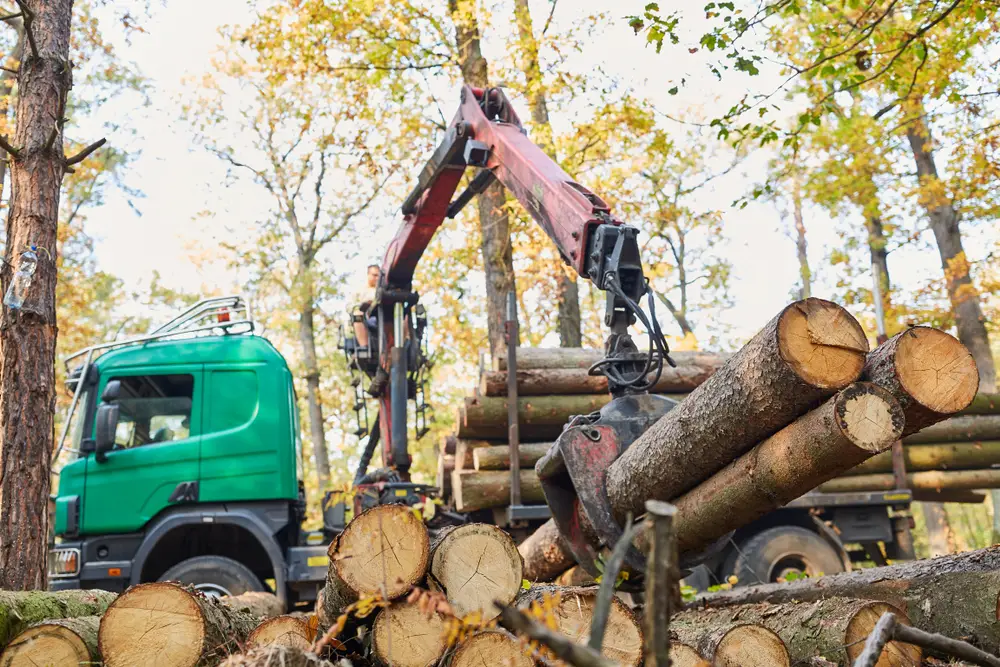
Forestry remains one of the most dangerous industries. Around the world, forestry workers are at greater risk of occupational diseases, early retirement, and high accident rates. However, many ILO clauses mention the importance of preserving the safety of forestry workers. In fact, these are entirely achievable goals, whether in terms of safety requirements, tools and machinery, work clothing, or forest management systems. Now, to reduce risks on the job site, advanced technologies are available to better prevent hazards associated with forestry work.
The use of modern, improved machinery
Forestry work is often carried out in demanding environments where the slightest lapse in concentration can cause serious accidents. When certain tasks deemed dangerous are mechanized, it is crucial to handle the equipment properly and protect the operator effectively. It is therefore necessary to choose modern, high-performance machinery and tools that are manufactured to precise safety and reliability standards. Spidermax machines perfectly meet these performance criteria. Among other things, we offer safety chain grinders. They feature a support foot with an integrated clamp for excellent stability and optimized control.
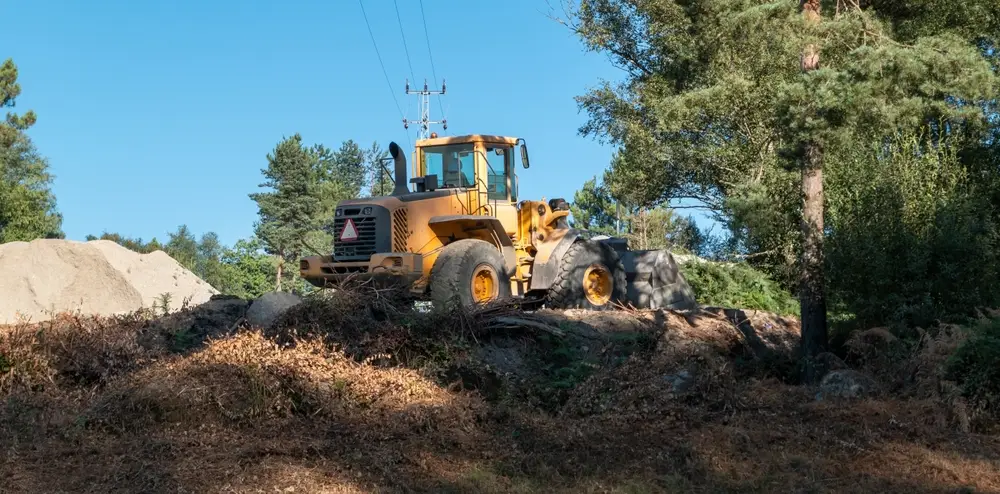
To ensure optimal safety, when using harvesters and skidders, for example, this equipment should be guided by a cabin that is safe for the worker. It must be resistant to falling objects, such as being equipped with FOPS protection. It is true that heavy machinery significantly reduces the risk of accidents associated with manual logging. However, it must meet certain specific requirements in order to better protect the forestry operator. During work on difficult-to-access or uneven terrain, machine stabilization systems are required. Similarly, automatic braking for machinery is essential. To further reduce exposure to hazards in particularly dangerous areas, a remote control system will greatly facilitate operations.
Deployment of monitoring tools before and after forestry projects
Monitoring, both before and after the project, has become an essential step in forestry work. Effective monitoring reduces risks once on site. The use of modern monitoring tools allows for accurate environmental checks and assessment of the impact of interventions well before the project begins. All that remains is to ensure the quality of the machines and equipment used. For fewer interruptions and accidents on site, choose our forestry and railway solutions, designed for professional use. Our equipment offers enhanced compliance with safety standards.
Cutting-edge technologies enable better coordination of interventions, especially in the event of an incident. Surveillance drones are a particularly good example. They can fly over inaccessible areas and establish a plan for carrying out work in the best possible conditions. This also makes it possible to develop procedures to support teams in the field. Forest site management software can also increase the efficiency of work while minimizing incidents. Post-intervention monitoring would allow data to be collected, future operations to be improved, and dangers to be further prevented. In this way, both human and environmental risks are reduced. These technological tools are designed to significantly reduce the number of accidents during field work.
Wearing sophisticated personal protective equipment
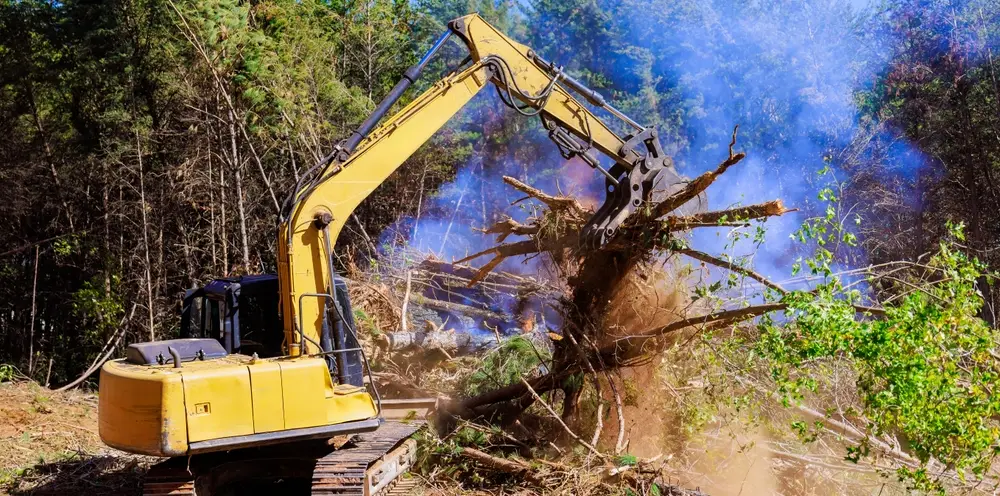
PPE is necessary not only to ensure the comfort of operators in the field, but also to guarantee their safety. In addition to incorporating technical materials, it now features connected technologies to prevent accidents. This includes cut-resistant clothing that generally complies with EN 11393 standards.
It consists of padding made with special fibers, meaning it is constructed in multiple layers. Upon contact with a chainsaw chain or other sharp tools, it can block the chain's rotation, thereby reducing the severity of injuries. This clothing can include pants, sleeves, and jackets. Their fabrics are both breathable and stretchy, providing the operator with great freedom of movement. This clothing must also incorporate bright colors for high visibility and feature reflective strips. This ensures that the operator is visible to both their colleagues in the field and to machine operators.
To better equip workers during forestry operations, PPE is becoming increasingly sophisticated. During work, operators may encounter falling trees or flying debris. To protect themselves effectively, they can wear connected helmets that can detect impacts and emit instant signals. Smart vests can now include motion sensors, smoke or heat detectors, etc.