
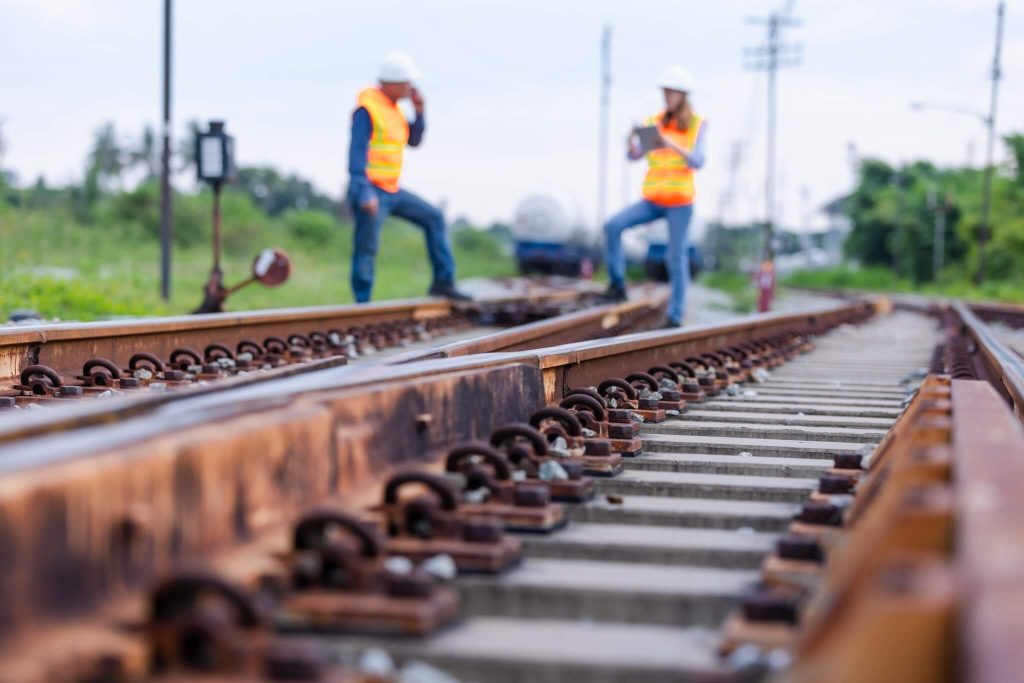
The LOSSAN corridor and Southern California rail
The LOSSAN coastal corridor is one of the most constrained rail rights-of-way in the Western United States — running along a narrow coastal strip between the Pacific Ocean and the coastal bluffs through Del Mar and other San Diego County communities. Vegetation management in this corridor must address not only standard FRA track safety requirements but also the unique environmental conditions of coastal proximity, the geologic instability of the coastal bluffs, and the Coastal Commission regulatory jurisdiction over corridor areas within the coastal zone.
Coastal bluff and canyon clearing
The Del Mar bluffs and other coastal bluff sections of the LOSSAN corridor present significant vegetation management challenges. Slope vegetation plays a role in bluff stability, and clearing must be carefully calibrated to address vegetation that affects sight distances and drainage while protecting the root systems and ground cover that prevent bluff erosion. Our team understands these tradeoffs and works within the specific clearing requirements established for sensitive coastal sections of the corridor.
Inland San Diego rail corridors
Beyond the coastal LOSSAN mainline, San Diego County has inland rail infrastructure including the SPRINTER light rail line in the North County inland corridor and various freight spurs serving the region's industrial areas. These inland corridors present different vegetation management challenges — with chaparral encroachment, fire risk, and access across steep canyon terrain representing the primary management concerns.
Our railroad clearing services in San Diego
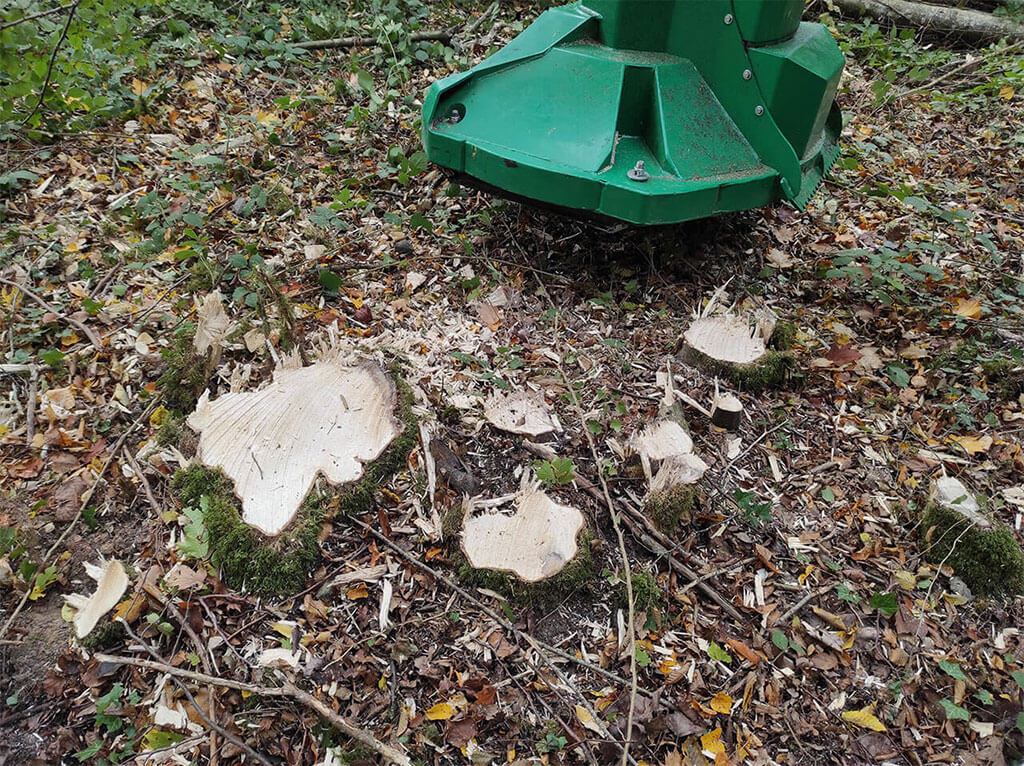
SpiderMax USA provides the full range of right-of-way vegetation management for San Diego-area rail operators — from primary brush clearing and mulching along track margins to drainage maintenance, bridge approach clearing, and integrated herbicide management programs.
COASTER and commuter rail corridor clearing
Vegetation management for COASTER and other commuter rail corridors in San Diego County is scheduled during overnight and weekend possession windows to minimize service disruption to commuters. Our crews are experienced in maximizing clearing productivity within the short possession windows available on high-frequency commuter routes, using efficient machine positioning and operational sequencing to cover maximum corridor footage per available possession period.
Fire risk management in rail corridors
San Diego County's high wildfire risk creates a specific vegetation management obligation for rail operators — ensuring that corridor vegetation does not contribute to fire ignition risk during Santa Ana wind events, when sparks from rail operations or hot brake fragments can ignite dry vegetation. Our fire risk management clearing programs address the fuel load conditions along rail margins that contribute to this risk.
Environmental compliance on San Diego rail corridors
San Diego County's extensive sensitive habitat — including coastal sage scrub, southern maritime chaparral, and riparian woodland — creates significant environmental compliance requirements for rail corridor vegetation management. Coastal Commission jurisdiction, CDFW sensitive species requirements, and the various conservation easements that protect native habitat within and adjacent to rail corridors in the county must all be navigated carefully.
Sensitive species avoidance protocols
Multiple federally and state-listed species use the habitat within and adjacent to San Diego County rail corridors — including the California Gnatcatcher, Least Bell's Vireo, and the southwestern willow flycatcher in riparian areas. Our vegetation management operations include pre-clearance biological surveys where required by permit conditions, seasonal work restrictions to avoid sensitive species breeding periods, and precision clearing operations that maintain authorized avoidance buffers throughout the project.
Coastal Commission coordination
Vegetation management work on the LOSSAN corridor and other rail rights-of-way within the San Diego coastal zone may require Coastal Commission notification or permitting depending on the specific activity and location. SpiderMax USA is experienced in the Coastal Commission coordination process and can manage permit requirements as part of a comprehensive right-of-way management program.
Other services in San Diego
- After-sales service in San Diego
- Equipment repair in San Diego
- Preventive maintenance in San Diego
- Forestry mulcher services in San Diego
- Spare parts in San Diego
- Forestry equipment sales in San Diego
- All services in San Diego
Frequently asked questions
Can you work on the LOSSAN coastal corridor in San Diego?
Yes. We coordinate with NCTD and other LOSSAN corridor operators to access possession windows and work within the environmental and safety constraints of the coastal corridor. Our crews hold current roadway worker protection certifications for LOSSAN corridor host railroads.
How do you handle the sensitive bluff terrain in Del Mar?
We use compact equipment and precision clearing techniques calibrated to the specific requirements of bluff sections, where vegetation management must be balanced against slope stability and coastal bluff protection requirements. Operational approaches are established in coordination with host railroad engineering teams.
Do you manage fire risk vegetation on San Diego rail corridors?
Yes. Fire risk vegetation management on San Diego County rail corridors is a specific service we provide — addressing fuel load conditions that contribute to ignition risk during Santa Ana wind events and other high-fire-risk conditions.
What certifications do your crews hold for San Diego rail work?
Our crews hold current FRA roadway worker protection (RWP) certifications appropriate for the host railroads they work on in San Diego County, including NCTD and BNSF certifications as applicable. Certification records are maintained and available for audit on request.