
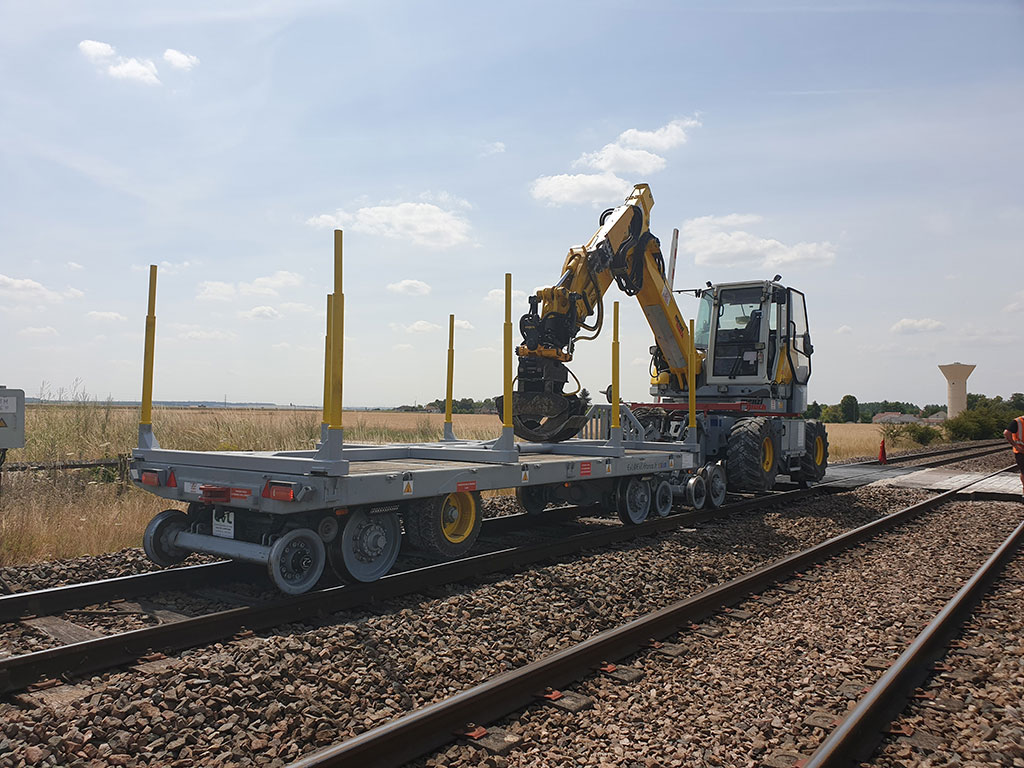
Rail vegetation management in the Central Valley and Sierra Nevada foothills
The Sacramento area's rail network traverses a diversity of terrain and vegetation types — from the flat valley floor of the Sacramento and San Joaquin valleys where irrigation agriculture creates lush vegetation growth along rail margins, to the oak woodland and chaparral of the Sierra Nevada foothills where the Capitol Corridor and other routes climb toward Donner Pass, to the sensitive riparian environments of the Sacramento River delta system.
Agricultural area corridor management
Central Valley rail corridors adjacent to irrigated agricultural land face among the highest vegetation growth rates in the California rail network. Irrigation runoff creates consistently moist conditions along track margins that drive rapid growth of invasive grasses, willows, and other opportunistic species. Annual or biannual clearing programs are typically necessary to maintain required sight distances and drainage function in these high-growth corridors.
Sierra Nevada foothills corridor work
The rail corridors climbing from the Sacramento Valley into the Sierra Nevada foothills present significant access challenges — steep grades, rocky terrain, and limited equipment access from corridor roads. Our foothills rail work uses compact equipment suited to confined access conditions and coordinates closely with host railroads to manage the longer possession windows often needed for efficient clearing in this terrain type.
Our railroad clearing services in Sacramento
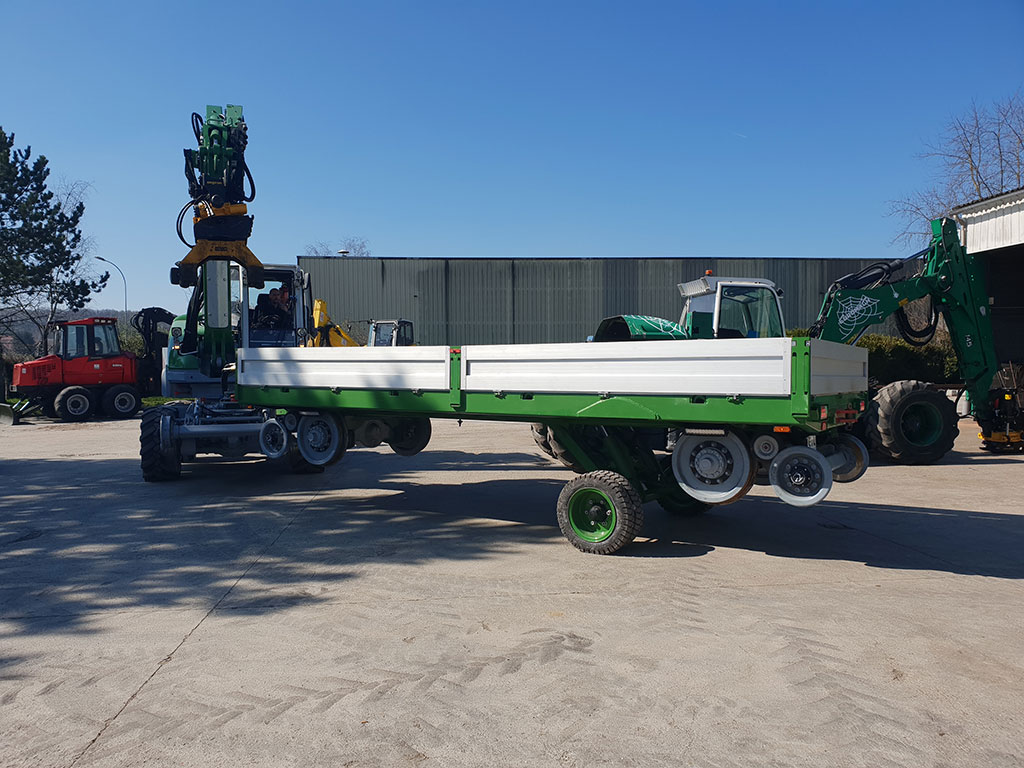
SpiderMax USA provides comprehensive right-of-way vegetation management for Sacramento-area rail operators — from primary clearing and mulching to drainage maintenance, stump grinding, and integrated herbicide treatment programs.
Capitol Corridor and freight mainline clearing
We service vegetation management needs along the Capitol Corridor passenger route and the BNSF and Union Pacific freight mainlines through Sacramento, working within Amtrak and freight operator possession scheduling to minimize service disruption while delivering effective clearing results along these high-traffic corridors.
Delta region and waterway adjacent corridors
Rail corridors in the Sacramento-San Joaquin Delta region pass through extensive wetland and waterway environments subject to Army Corps of Engineers and CDFW jurisdiction. Vegetation management in these areas requires specific permits, seasonal restrictions to protect sensitive species, and operational protocols that prevent disturbance to adjacent wetland areas. SpiderMax USA is experienced in conducting compliant clearing operations within these environmental constraints.
Environmental compliance in Sacramento's rail network
California's environmental regulatory framework creates additional compliance obligations for vegetation management along Sacramento-area rail corridors — beyond the FRA track safety requirements that apply nationwide. CDFW, Army Corps, and California Coastal Commission jurisdiction may apply to various portions of the Sacramento region's rail network, and our team is experienced in navigating these requirements.
CDFW Lake and Streambed Alteration coordination
Rail corridor clearing work adjacent to waterways in the Sacramento region often requires coordination with CDFW and compliance with Lake and Streambed Alteration Agreement conditions. SpiderMax USA is experienced in conducting rail corridor clearing operations within these permit conditions, including seasonal work windows, buffer zone requirements, and post-clearing reporting obligations.
Air quality management compliance
SMAQMD and other Central Valley air quality management district requirements affect vegetation management operations through restrictions on burning and equipment emissions standards. Our Sacramento rail corridor operations are structured to comply with applicable AQMD requirements — using mulching rather than burning and operating diesel-powered equipment that meets California emission certification requirements.
Other services in Sacramento
- Preventive maintenance in Sacramento
- Forestry mulcher services in Sacramento
- Spare parts in Sacramento
- Railroad vegetation management in Sacramento
- Forestry equipment sales in Sacramento
- Equipment repair in Sacramento
- All services in Sacramento
Frequently asked questions
Can you work on BNSF and Union Pacific mainlines in Sacramento?
Yes. We coordinate with BNSF and UP track maintenance teams to access possession windows on the Sacramento-area mainlines and work within the operational constraints of high-traffic corridors. Our crews hold current roadway worker protection certifications for both host railroads.
Do you work on the Capitol Corridor passenger route?
Yes. We provide vegetation management services along the Capitol Corridor route in coordination with Amtrak and UPRR scheduling. Passenger route work requires careful coordination with train schedules to ensure crew safety and route availability.
Do you handle sensitive habitat clearing in the Delta region?
Yes. We are experienced in conducting vegetation management operations within CDFW, Army Corps, and wetland permit conditions applicable to Sacramento Delta rail corridors. All environmental compliance documentation is provided as part of the project deliverables.
How do you coordinate with Sacramento Regional Transit?
For light rail and commuter rail networks in the Sacramento area, we coordinate with transit authority maintenance planning to schedule vegetation management during non-revenue service windows or overnight maintenance periods that minimize service disruption.