
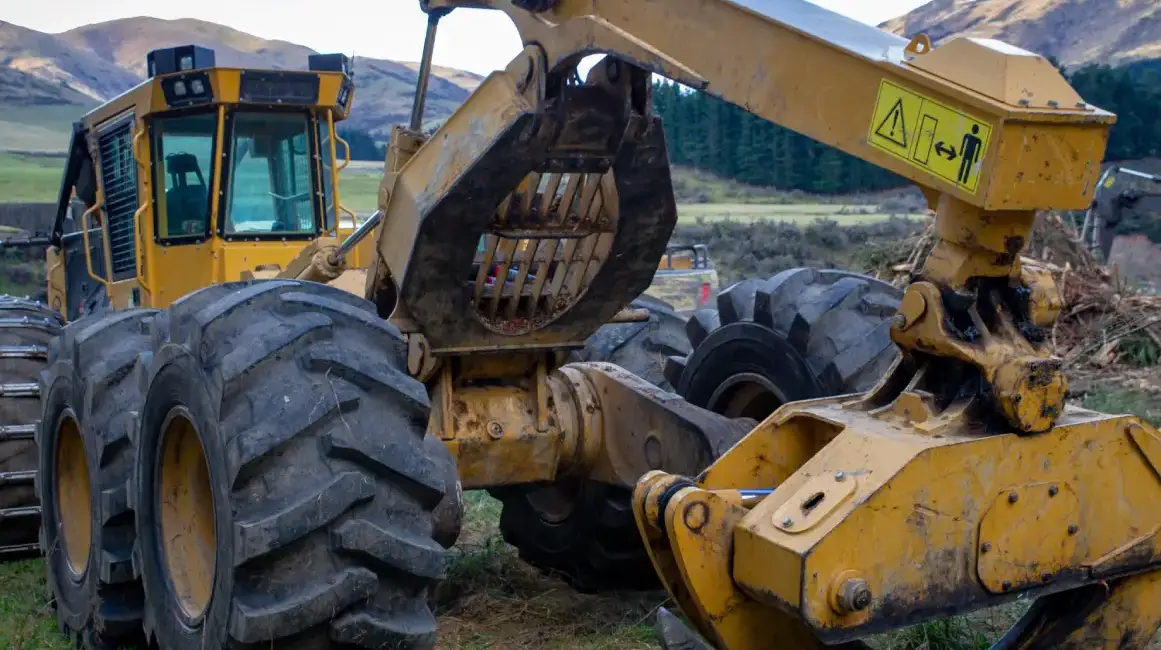
During forestry operations, equipment is heavily used. Whether it involves harvesters, skidders, forestry tractors, mulchers, chainsaws, forwarders, or other machines, they are deployed in particularly demanding environments. While the lifespan of forestry machinery may depend on its brand and operating practices, maintenance is also a key factor. Here are some mistakes to avoid in order to protect your equipment and optimize your profitability.
Neglecting preventive maintenance
The longevity of forestry machines depends on the effectiveness of your maintenance program. It must be established according to usage cycles. Among the required actions, you should ensure strict compliance with engine and hydraulic oil change intervals. Periodic inspection of hydraulic hoses is essential. Regular checks of joints, pins, and bushings are also mandatory. This is the type of SpiderMax maintenance routine that should be followed to ensure the long-term durability of your forestry equipment.
Sawdust, plant debris, and mud can clog radiators and promote corrosion. They may also hide structural cracks. Periodic cleaning of cooling systems and sensitive areas can greatly improve heat dissipation and make inspections easier. You should therefore establish a precise maintenance plan.
Ignoring terrain constraints and using inappropriate machinery
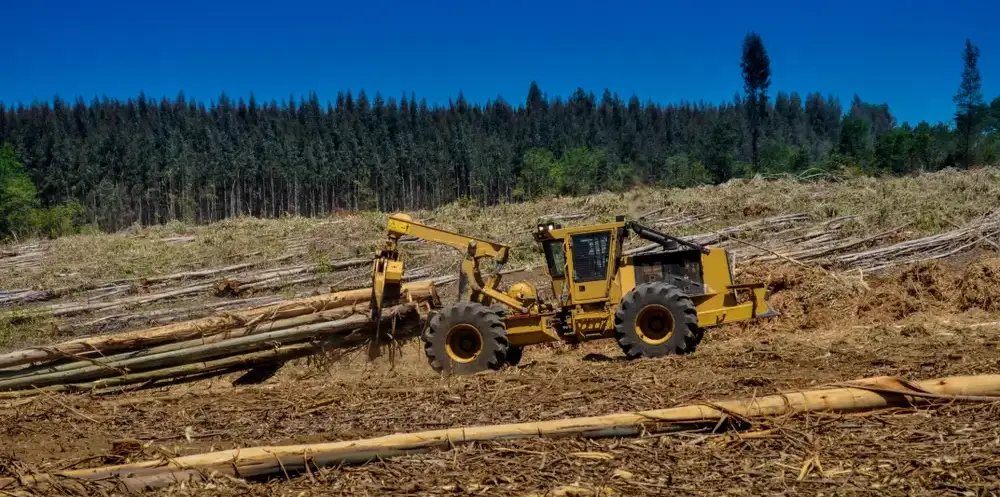
Since forest soils are often unstable, it is very important to anticipate field conditions. Equipment frequently operates in areas that are waterlogged or rocky. Poor anticipation can lead to premature wear of the undercarriage or mechanical malfunctions. What must be avoided at all costs includes working without adjusting tire pressure, ignoring ground bearing capacity, or deploying heavy machinery on steep slopes.
You must also choose a machine that is perfectly suited to your forestry operations. It should be sized according to the volume of timber to be harvested, the average tree diameter, the skidding distance, and other operational factors. An undersized machine will operate constantly at high load, which can lead to early breakdowns. Conversely, an oversized machine will generate unnecessary costs.
Taking breakdowns lightly
Even a seemingly minor breakdown can cause significant damage if it is underestimated. It can indeed lead to various technical and economic consequences. Because these machines typically operate under extreme conditions, an untreated failure can quickly worsen. It is therefore crucial to resolve any breakdown on forestry equipment as quickly as possible. A small issue can trigger a systemic deterioration and affect all adjacent components.
For example, a minor leak can result in pressure loss, pump overheating, and even complete failure of the hydraulic circuit. An unusual noise in a transmission may indicate bearing wear or even shaft failure.
Underestimating the protection of hydraulic systems
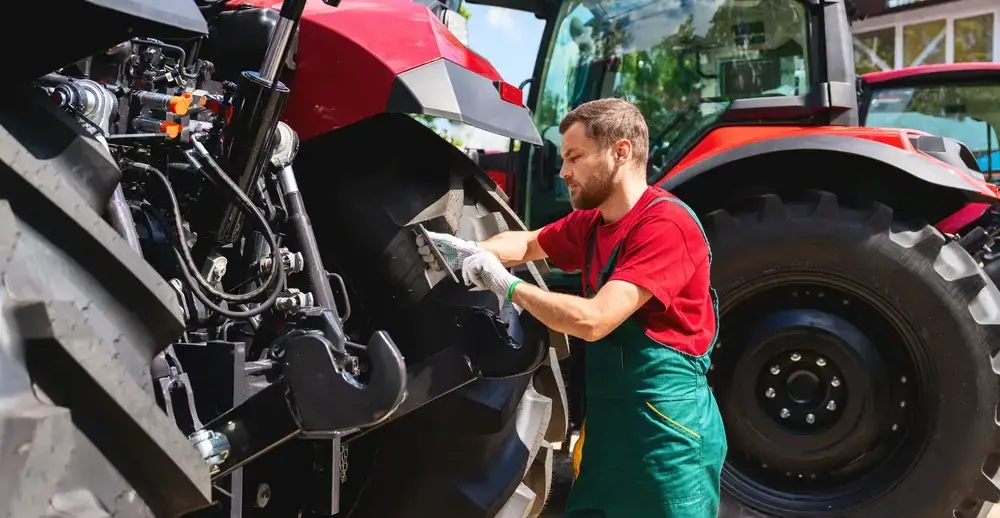
For forestry machines, the hydraulic circuit is one of the most heavily used components. Failing to protect it properly should be avoided. Best practices include using oils that strictly comply with manufacturer specifications, installing high-efficiency filters, protecting hoses from friction and impacts, and conducting oil analyses to detect contamination.
When the hydraulic system is both clean and properly filtered, its functional lifespan can potentially be doubled.