
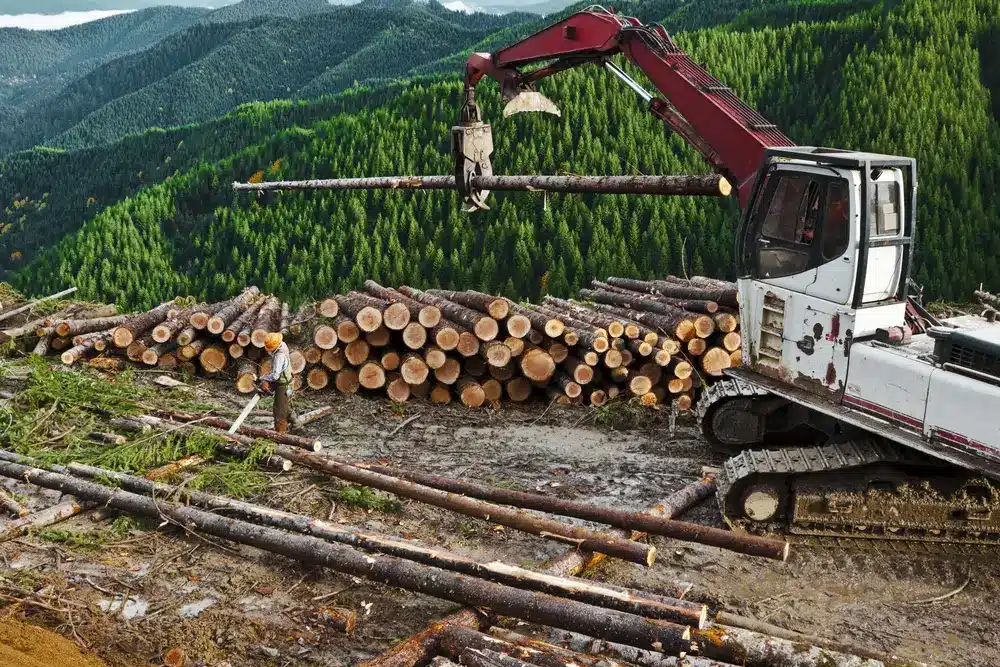
Forestry operations do not face the same challenges. Each site brings its own set of constraints, and their requirements can vary significantly. To ensure the success of forestry work and optimize productivity, it is essential to implement a strategic approach, efficient operational organization, and strong technical expertise. Today, environmental regulations and requirements are becoming increasingly strict, while operating costs continue to rise. As a result, optimizing performance has become a necessity.
Clearly define and plan your project
To successfully carry out a forestry project, thorough silvicultural and logistical planning must be done in advance. What are the objectives of the operation? What type of forest stand will be worked on? Understanding these elements helps determine the equipment required.
For example, if tree trunks need to be cut, operators may use shear heads. For handling and sorting logs, it may be necessary to use a SEVE multi-purpose grapple. The capacity of the machines must be adapted to the type of operation and its scale.
Logistical planning should also include various details such as the layout of forest tracks, the location of storage areas, equipment rotation, and site coordination, including the organization between felling, skidding, and transport.
Deploy suitable equipment and machinery
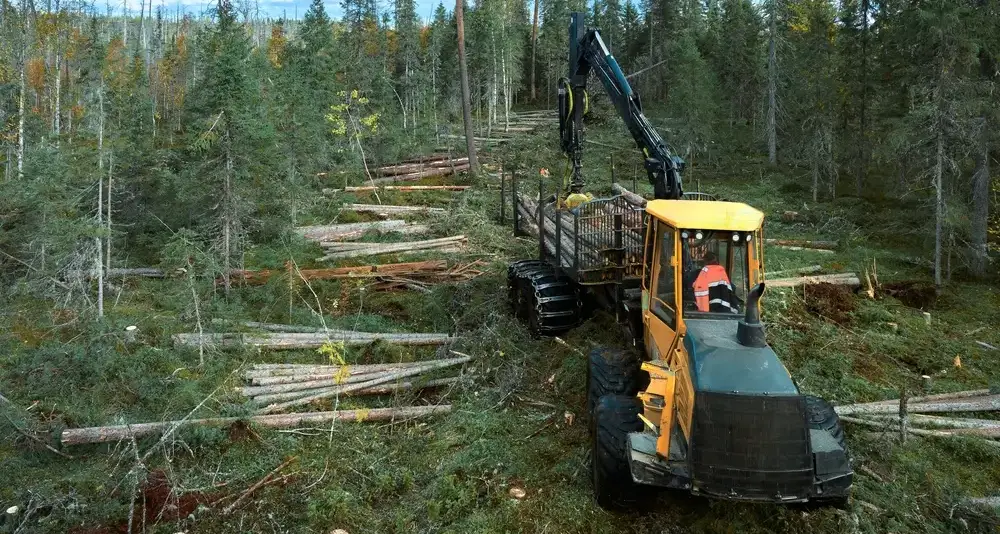
Investing in good equipment and high-quality accessories can significantly improve the productivity of forestry operations. For instance, the positive impact of mulchers on sustainable forest management is considerable. Designed to finely shred vegetation, these machines facilitate site cleanup after cutting while improving soil structure. Clearing undergrowth mainly helps reduce the risk of wildfires and promotes natural regeneration.
Using high-performance and well-adapted machinery on forestry sites directly improves productivity. Working time is reduced, operating costs decrease, and the safety of forestry workers is improved. The overall quality of the work carried out is also enhanced.
Encourage the use of digital tools
Although the cost of quality forestry equipment can be significant, this investment is worthwhile. In addition to reliable machines, the use of digital tools is also recommended. These tools enable centralized management of forestry operations and allow real-time monitoring of activities. Technical issues can be quickly reported through these technologies, and their sources can be identified accurately.
These solutions can be gradually introduced on forestry sites to improve productivity. This approach allows new practices to be adopted progressively, without risking a decrease in productivity due to rushed or poorly mastered training.
Ensure equipment maintenance and operator training
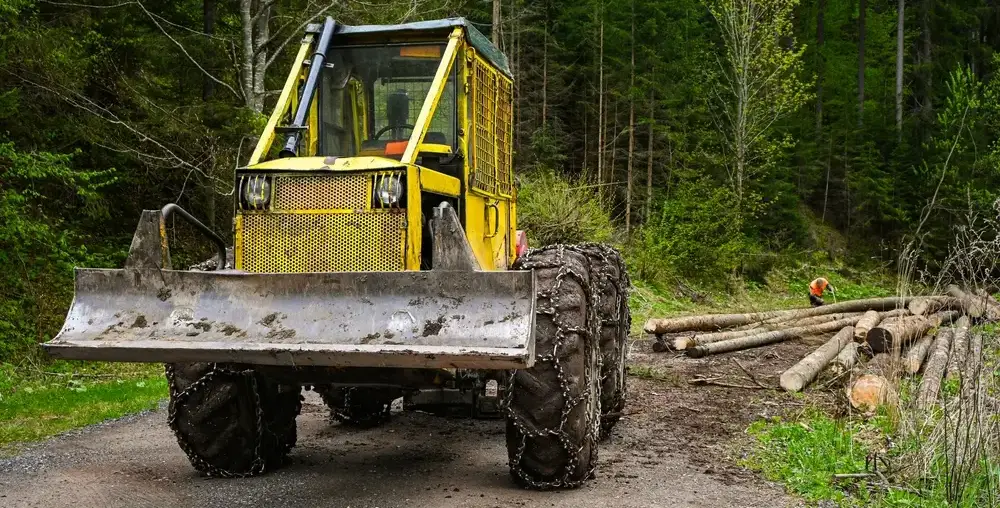
The maintenance of forestry machinery must be planned to prevent prolonged breakdowns that could affect the profitability of forestry projects. Maintenance should be regular and preventive, and it can be carried out during periods of inactivity.
Operator training is equally crucial. It allows workers to become more efficient and productive. The risks of handling errors are reduced, as are workplace accidents such as falls from height or injuries. Knowledge and strict application of safety standards are essential.