
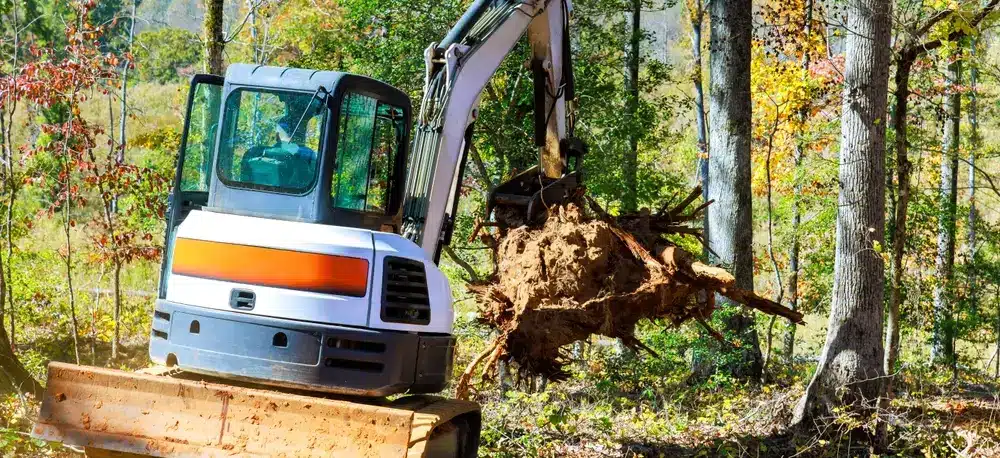
The cost of forestry machines and accessories varies considerably depending on the model and range, and it is often difficult to know the exact price. Their price may be determined by their power and capacity, their intended use, the taxes applied depending on their country of origin, etc. That said, we need a rough estimate to better plan the budget for this investment. It is essential to have the best equipment to carry out work that meets the expected standards. So what is the actual price of forestry equipment? What factors need to be considered when determining the total cost of a forestry machine or accessory?
A price based on the machine or accessory
For forestry professionals, equipment represents a significant investment, particularly heavy machinery. However, they will also need smaller devices to carry out various operations. And although their cost remains affordable compared to large equipment, they require a dedicated budget.
The price of a new harvester starts at $250,000, but more sophisticated models can cost up to $500,000. Used equipment can be purchased for between $30,000 and $60,000. For a used skidder, the price can range from $25,000 to $200,000. It all depends on the overall condition of the attachment or machine and its parts.
As for accessories such as a felling head for a hydraulic excavator, the cost ranges from $10,000 to $50,000 if you are considering purchasing particularly sophisticated models. Professional chainsaws, forestry shears, and combined saw-splitters vary greatly in price, although they are affordable compared to other machines.
A cost that goes far beyond the purchase price of the machine
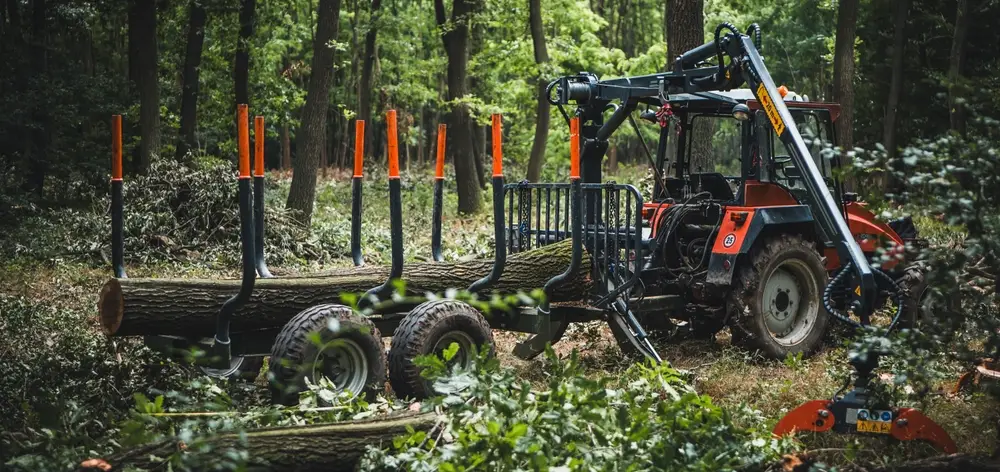
Forestry equipment should not be valued solely on the basis of its purchase price. The latter is only the immediate cost and does not really allow you to assess the true expense of owning a Spidermax machine. It is necessary to evaluate several factors, such as equipment depreciation and maintenance costs. The total cost of ownership is therefore not limited to the listed price.
You should also consider the difference between inexpensive equipment and high-quality machinery. Although some forestry equipment is more expensive to purchase, it can offer financial advantages that offset the initial cost. A high-quality tool is reliable and durable. They rarely break down, which significantly reduces downtime. This allows you to enjoy excellent productivity. These machines, which come with an initial additional cost, also feature advanced technologies that allow you to carry out forestry work in the best possible conditions.
Furthermore, on the used forestry equipment market, reputable brands retain a certain value if you ever decide to sell your equipment in order to upgrade. Optimizing work is a major advantage of machines in forest management. When the machine is of excellent quality, it enables efficiency, durability, and safety. It will be possible to process trees and plants efficiently, in addition to reducing plant waste in an environmentally friendly way.
Factors influencing the price of forestry equipment
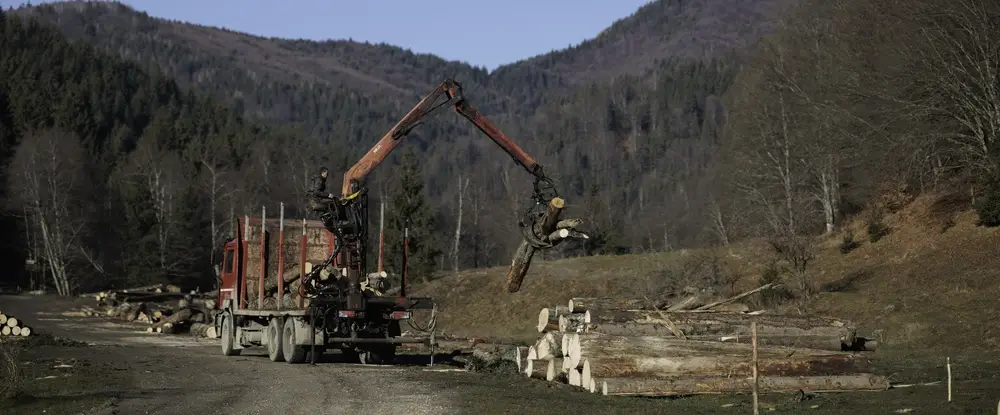
Sometimes two devices with the same performance have different prices. This can depend on several factors, such as their type, condition (new or used), specific features (options, technologies, functionalities, etc.), included accessories, or brand reputation.
Since new equipment is equipped with the latest technology, it is much more expensive than older models. It comes with a comprehensive warranty and shows no signs of wear and tear. On the other hand, affordable used machines are likely to break down quickly, which could lead to unexpected maintenance costs. However, if they are from a well-known brand, they can be just as effective and durable as some more modern equipment. It is therefore important to pay attention to these small details when making a purchase.
The size and power of the machine are also determining factors in its price. The more it is capable of performing heavy-duty work (e.g., processing large volumes of wood), the higher its price will be. However, the reputation of the manufacturer should not be underestimated either. Brands that are already well known for their performance will not hesitate to charge high prices. And in the forestry equipment market, if one machine is in greater demand than another, its cost will inevitably be affected.
Hidden costs and return on investment
The budget allocated to maintenance and any repairs should be included in the cost of forestry equipment. It is always important to remember that a high-quality machine, even if expensive, is less likely to require unexpected repairs. And even if a malfunction does occur, reputable brands guarantee high availability of spare parts if replacements are needed. The true cost of such equipment should be measured over its lifetime.