
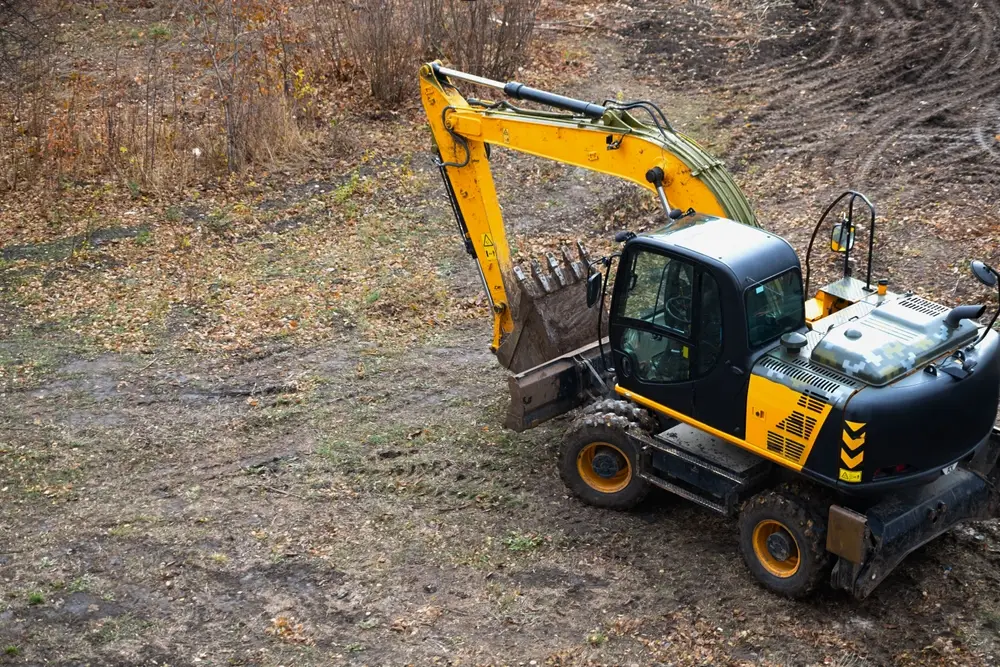
A mulcher, also known as a shredder, is a piece of forestry equipment used to grind and shred brush, branches, etc. This work helps maintain forests, control weeds, and improve soil quality. By reducing vegetation into very small fragments, mulchers are the tools of choice for forest management. Their use can reduce forest maintenance operating costs by nearly 30% thanks to their efficiency, durability, and ease of maintenance. However, to achieve such results, it is important to choose the right mulcher and use it correctly.
As a versatile piece of equipment
The mulcher can perform several tasks at once. It combines the capabilities of a brush cutter, chainsaw, and shredder. In a single pass, it can remove brush and shred vegetation into very fine fragments, eliminating the need for other equipment to transport the waste to another landfill. You won't need a skid steer loader or a green waste bin. Fewer operations and less equipment will be required. This will allow you to reduce operating costs, such as hiring more operators or purchasing fuel.
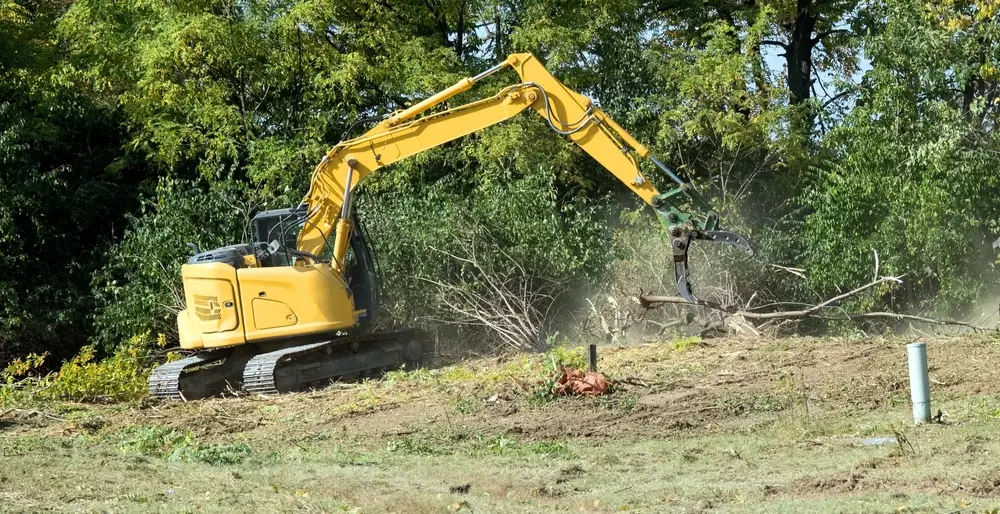
Here are some of the jobs a mulcher can do:
- Brush clearing to prevent fires by removing fuel (creating firebreaks),
- Cleaning roadside verges and railway lines,
- Preparing land for construction by removing and shredding vegetation,
- Landscaping and maintenance of trails or paths,
- Clearing of wasteland to make it more accessible,
- Preparation and fertilization of soil for new plantings or reforestation,
- Removal of stumps or roots as part of soil preparation, etc.
Labor costs are reduced when using a mulcher, as there is only one piece of equipment to use for several jobs. Transportation costs are also eliminated.
Choosing a high-quality mulcher is therefore crucial. This guarantees its performance and durability. It must have a high capacity in order to cut efficiently. Its components, such as its blades, must be of high quality to ensure better cuts. Its manufacturing materials must be robust to ensure the machine's longevity and to reduce premature wear and tear. Repair costs (refurbishment or replacement of parts) will thus be minimal or even zero.
By reducing working time
A single mulcher can cover several hectares in a day, although the density and type of vegetation to be mulched must be taken into account. This allows you to make significant savings on hourly site costs by increasing productivity. For large-scale projects, this can optimize your operational savings by up to 30% or more.
By eliminating waste management costs
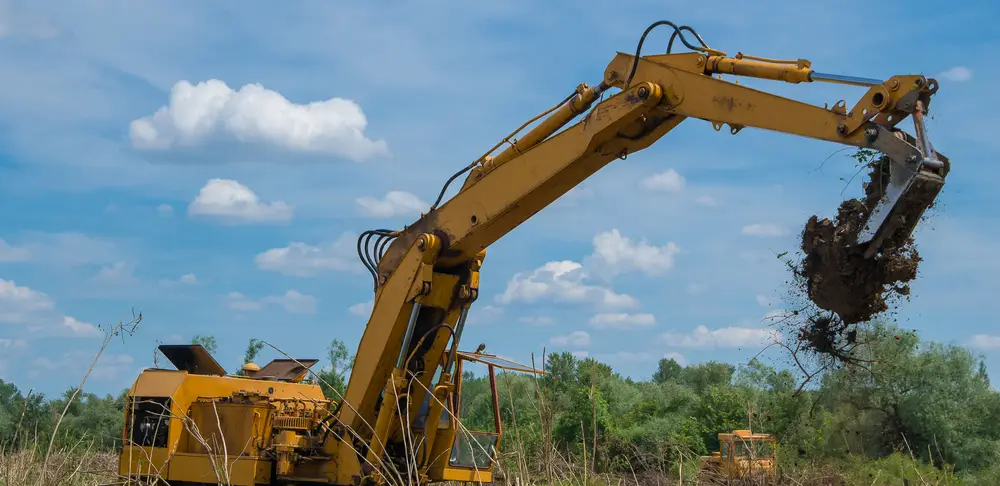
As we have already seen above, using a mulcher eliminates the need to transport plant waste to a landfill specifically designated for this purpose. This machine will transform branches and brush into very small chips or mulch that will be dumped directly on site. There is no longer any need to collect and transport them to waste disposal sites. In terms of logistics, this will save you a significant amount of money, between 20 and 40%.
In addition to dedicating a budget to transportation, the use of vehicles to transport grass clippings to recycling centers emits greenhouse gases. When using a mulcher, fuel costs are avoided and carbon footprint reduction is achieved.
By reducing the use of chemical fertilizers to fertilize the soil
With a mulcher, waste is left as a uniform layer of mulch, which has the advantage of improving soil quality. This is a significant positive impact of mulchers on sustainable forest management. When mulch is left on the ground, it improves soil fertility. It also limits the rapid regrowth of weeds.
By improving soil quality, mulching optimizes forest production. You will no longer need to invest in chemical fertilizers. Mulch acts as a protective cover that promotes water retention and stimulates microbial life. This structure also protects the soil from erosion.
With improved fertility and excellent maintenance, the forest area will require less brush cutting. Mulch left on the ground will effectively limit the growth of brush. Forest maintenance work will therefore become less frequent.